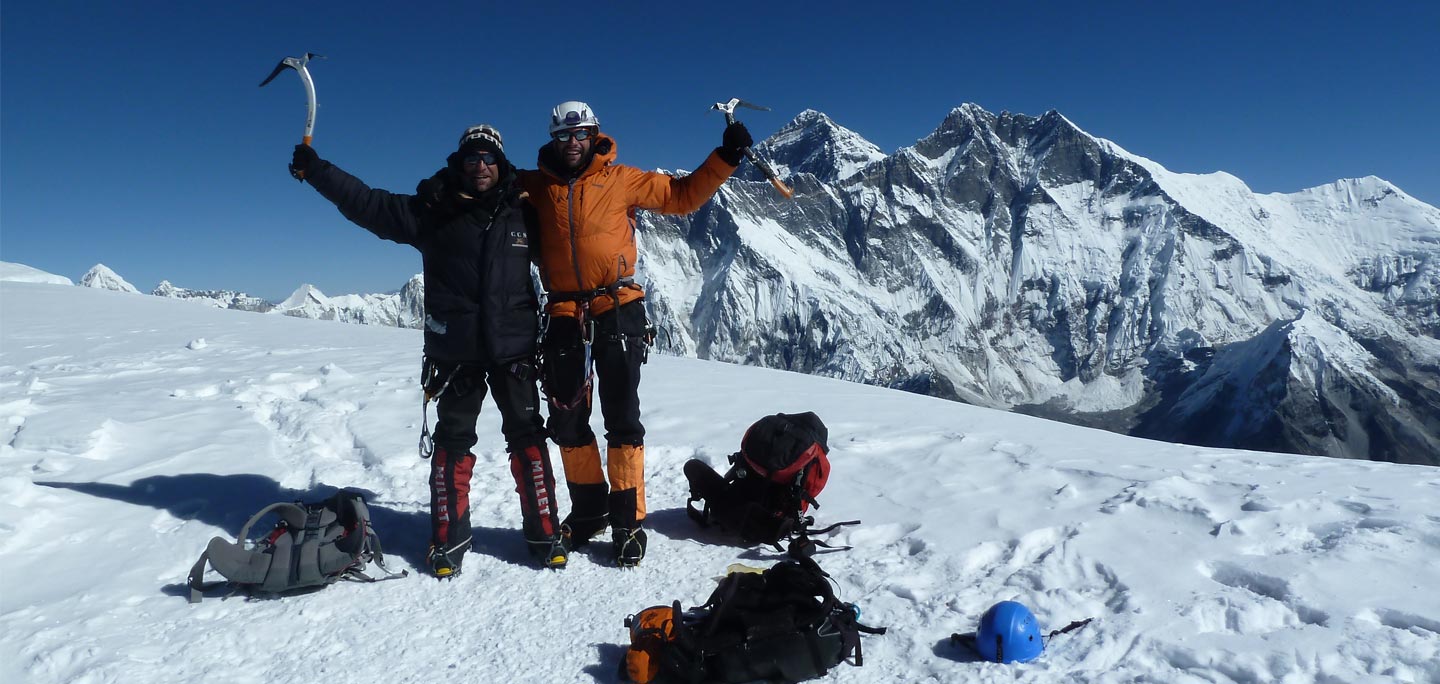
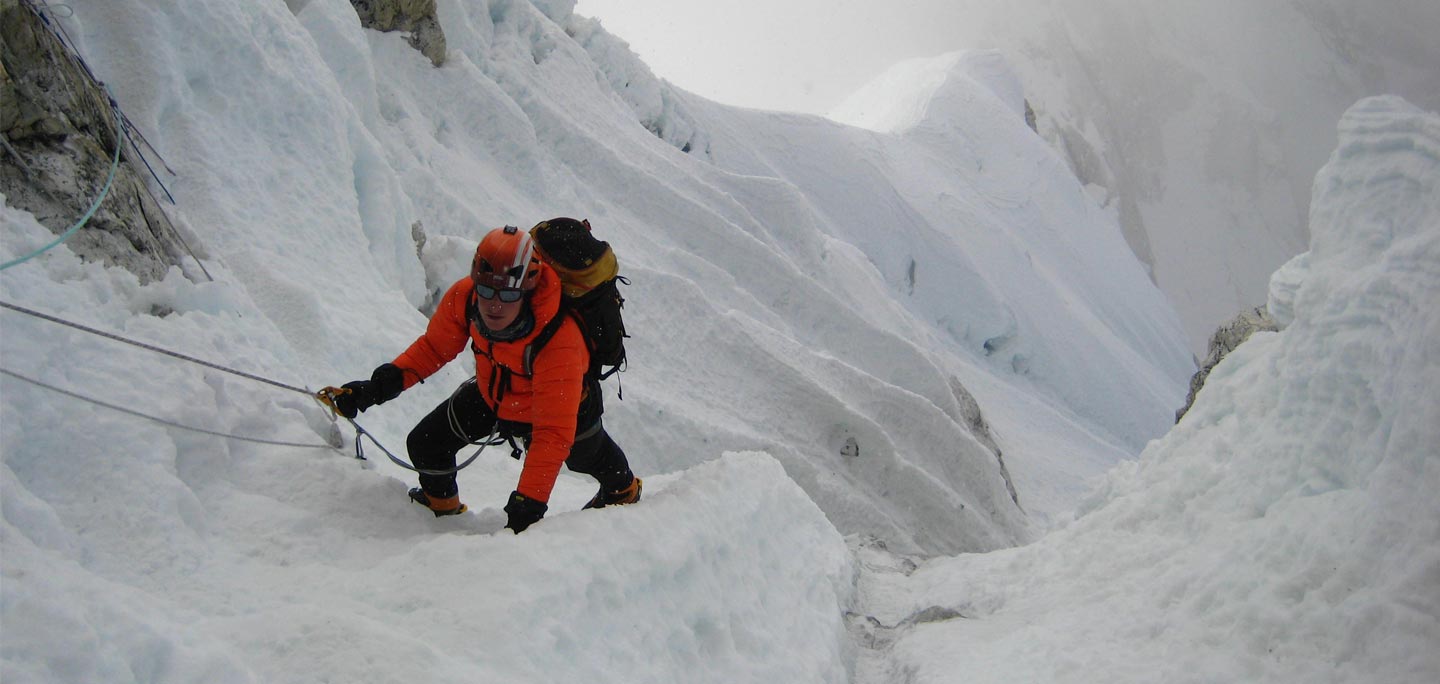
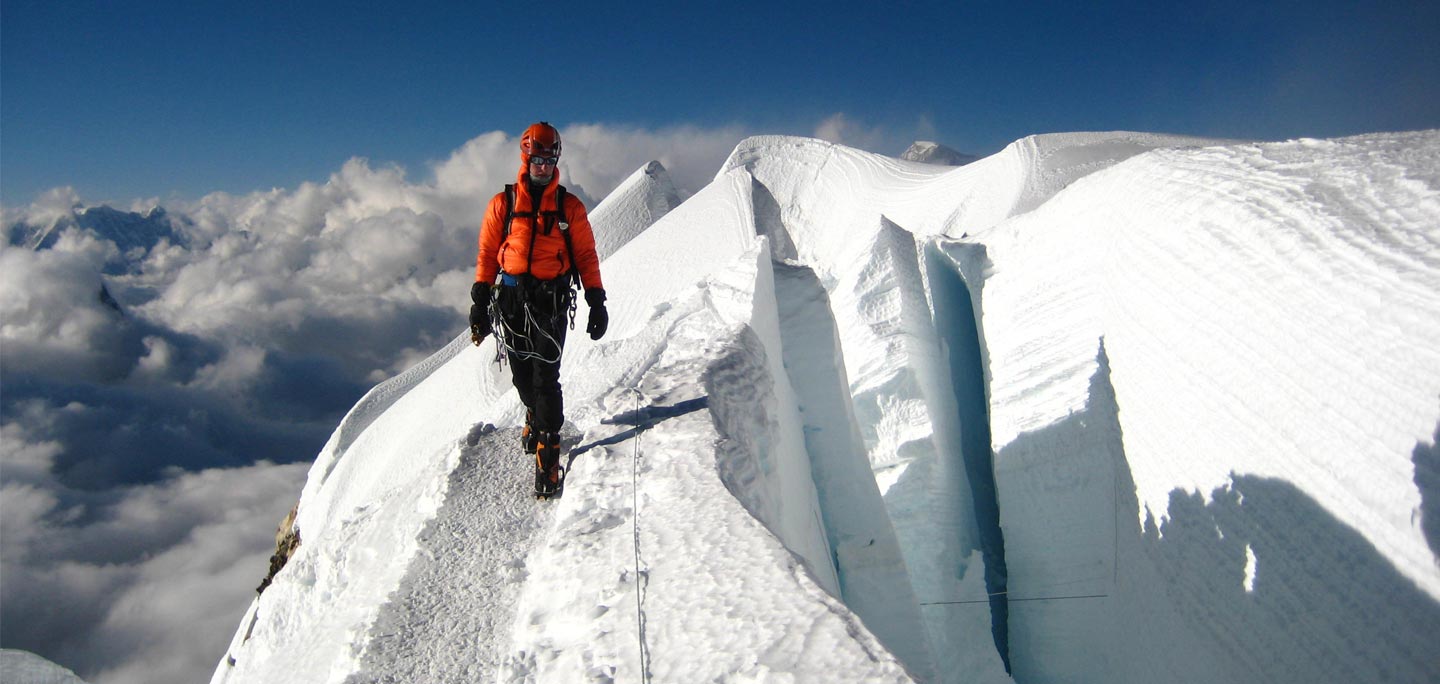
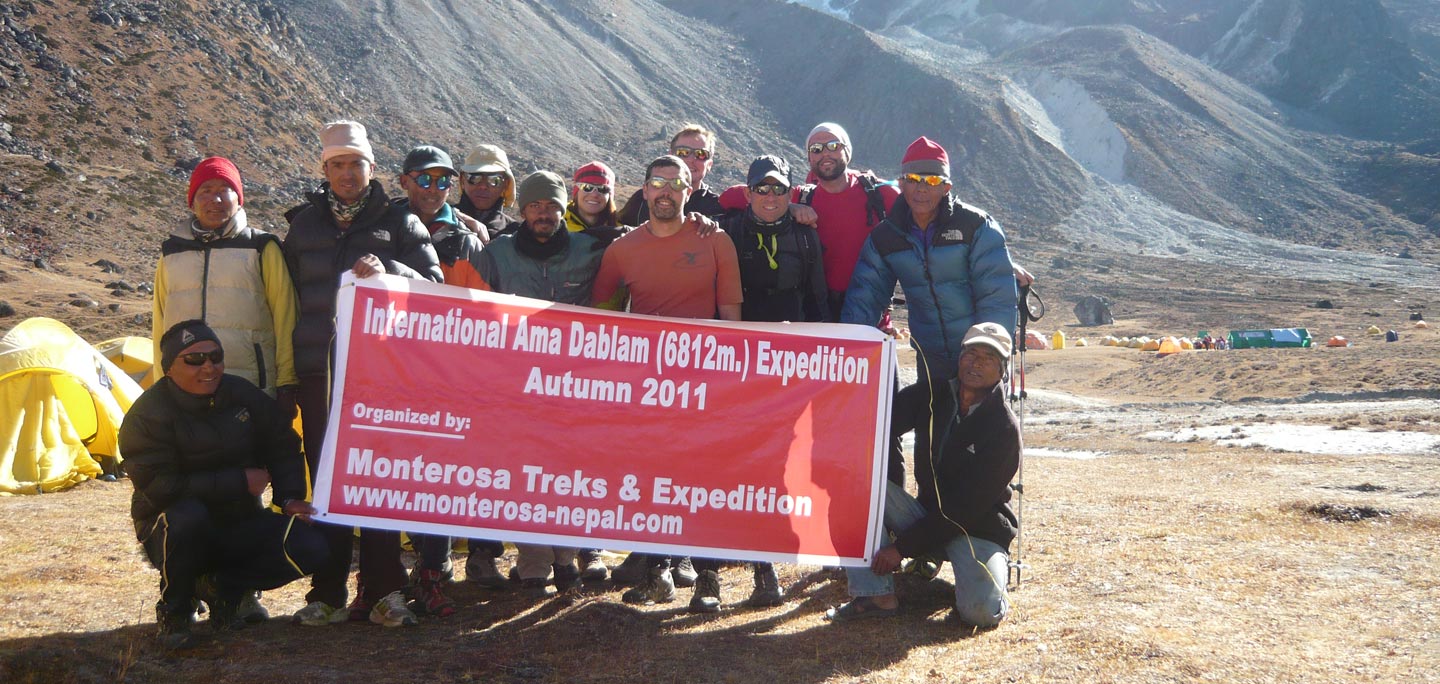
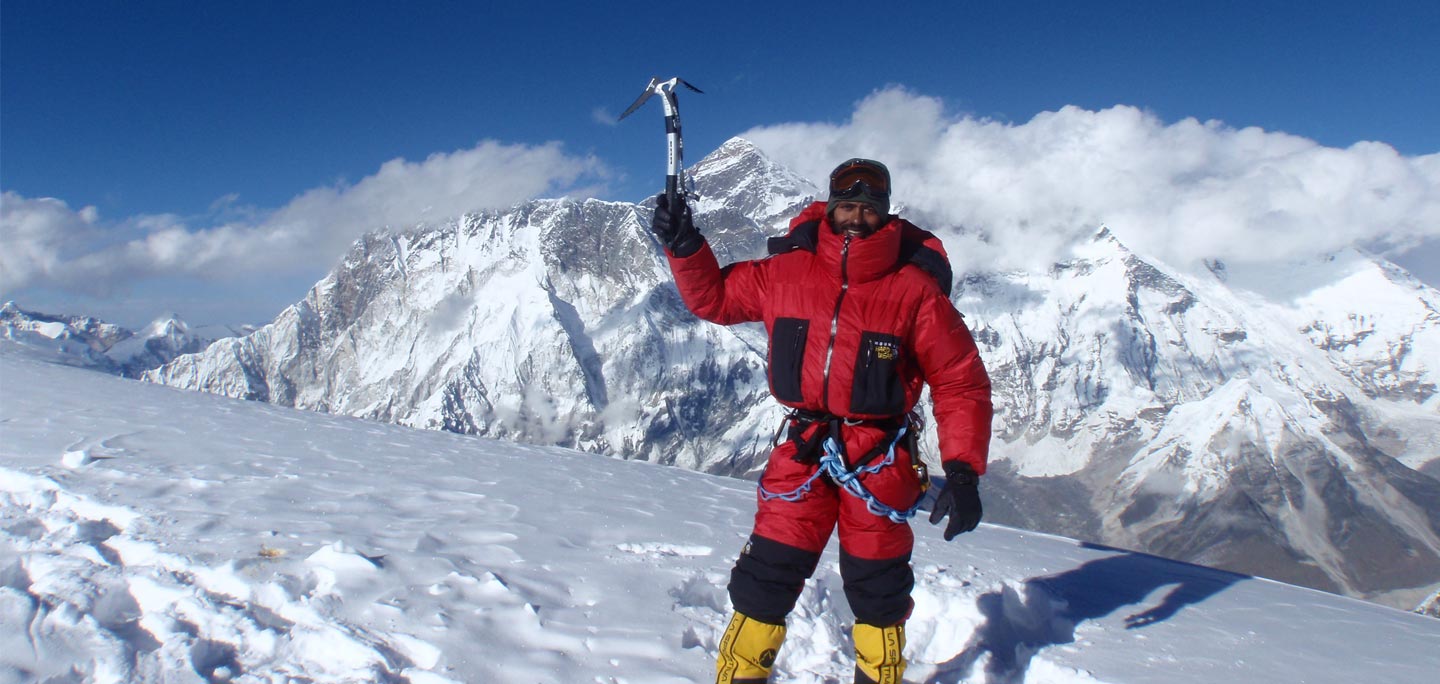
During the Ama Dablam Expedition Spring the best time of year to climb Ama Dablam is April to May (pre-monsoon season). Spring offers milder temperatures, longer days, and fewer crowds, making it a quieter alternative for tackling this technical peak (6,812m). Autumn (October–November) provides the best weather, but Spring offers warmer temperatures, longer days, and fewer crowds. As one of the world's greatest peaks, Ama Dablam requires advanced alpine, rock, and ice climbing skills in order to climb. It is considered to be a "very hard" climb, requiring advanced alpine, rock, and ice climbing skills.
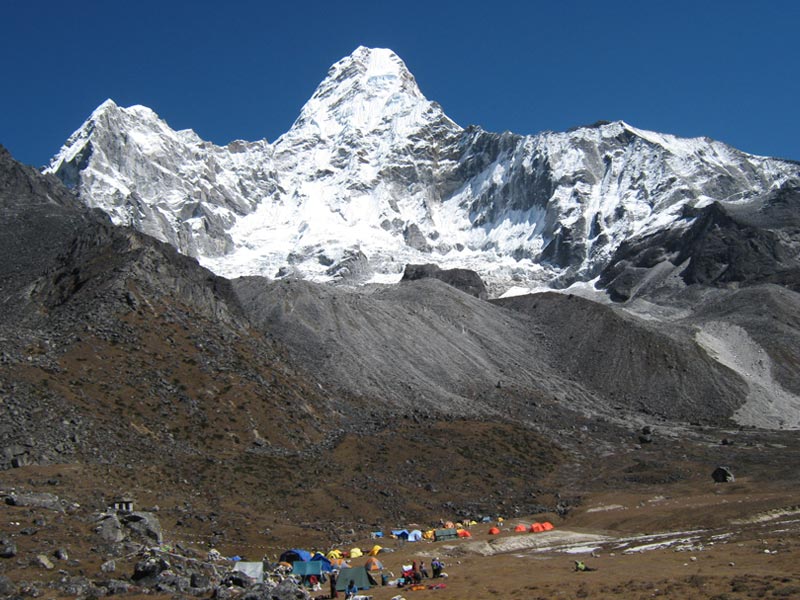
Ama Dablam means " Mother's Necklace" in the Sherpa language, with "Ama" meaning mother and "Dablam" referring to a traditional double-pendant worn by Sherpa women. The name describes the mountain’s appearance: long, ridged sides resemble a mother's arms, while a hanging glacier mimics a pendant.
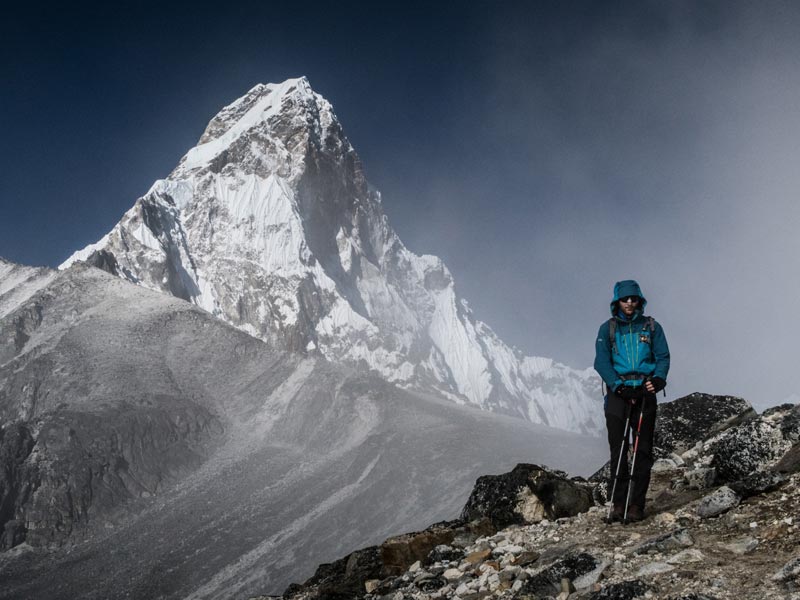
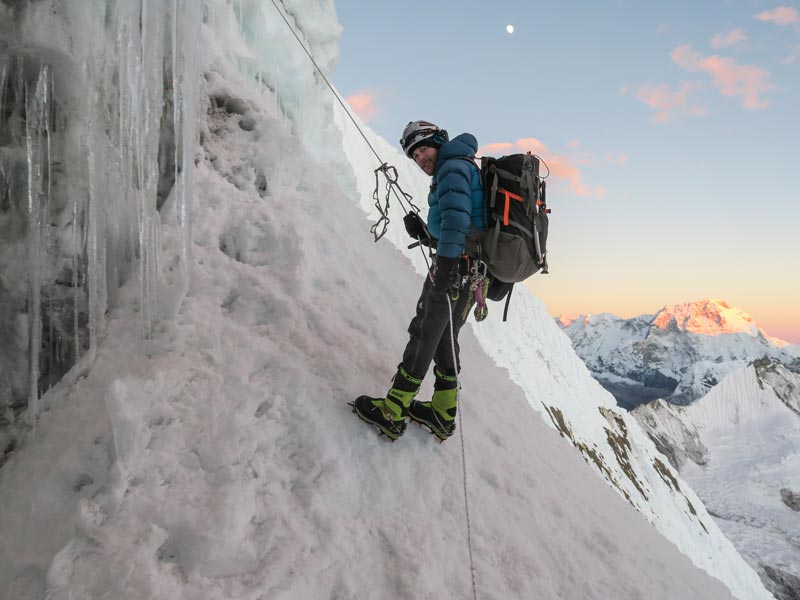
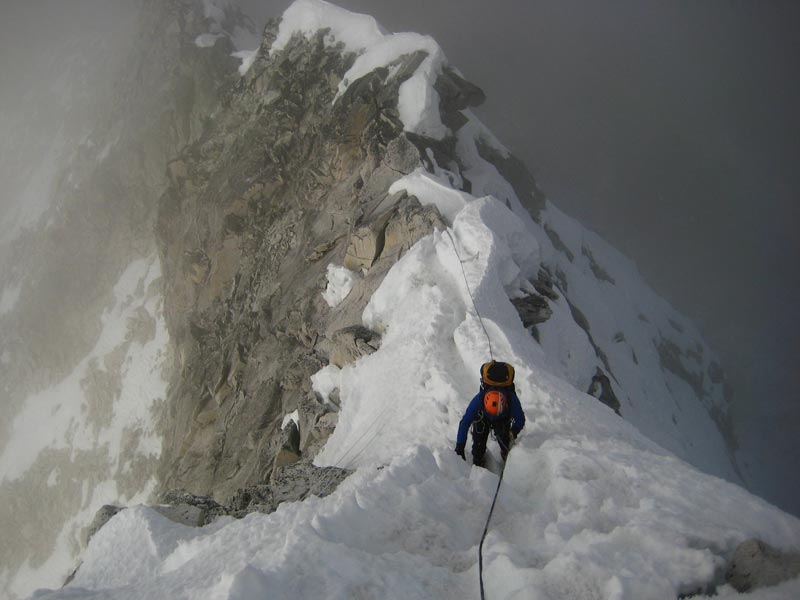
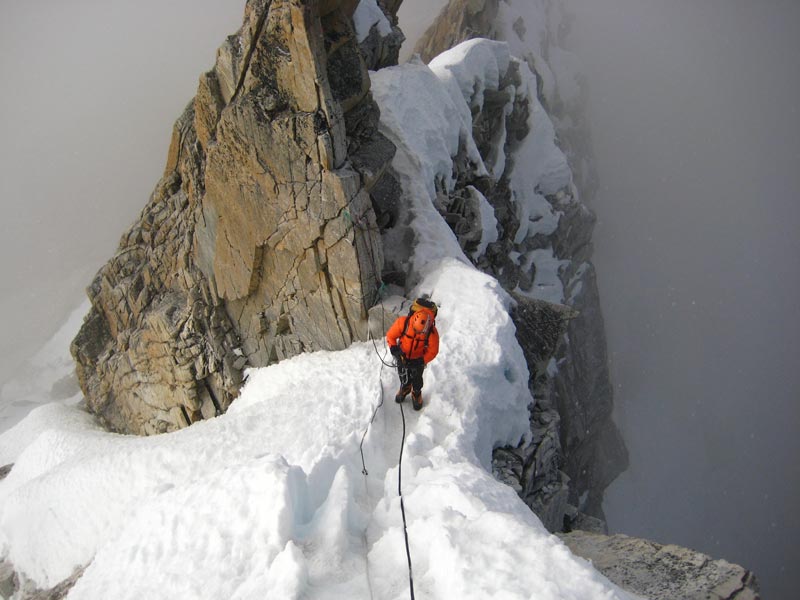
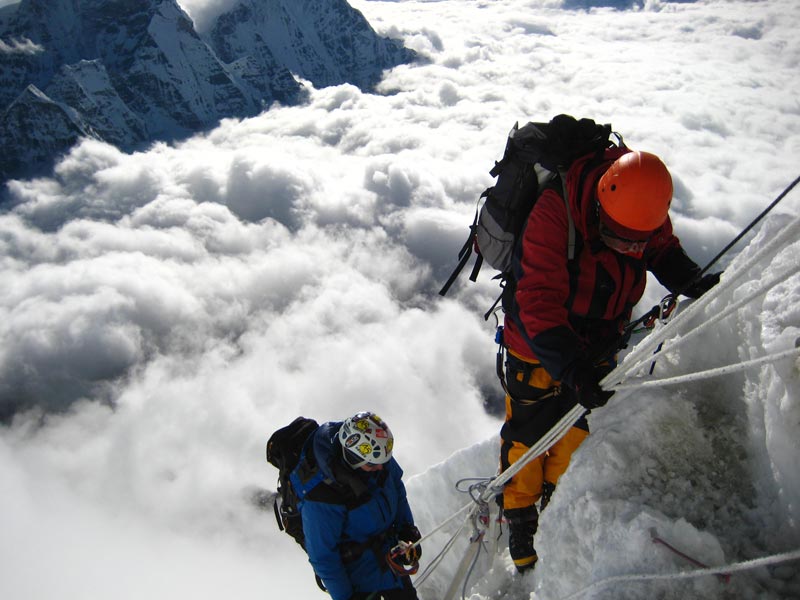
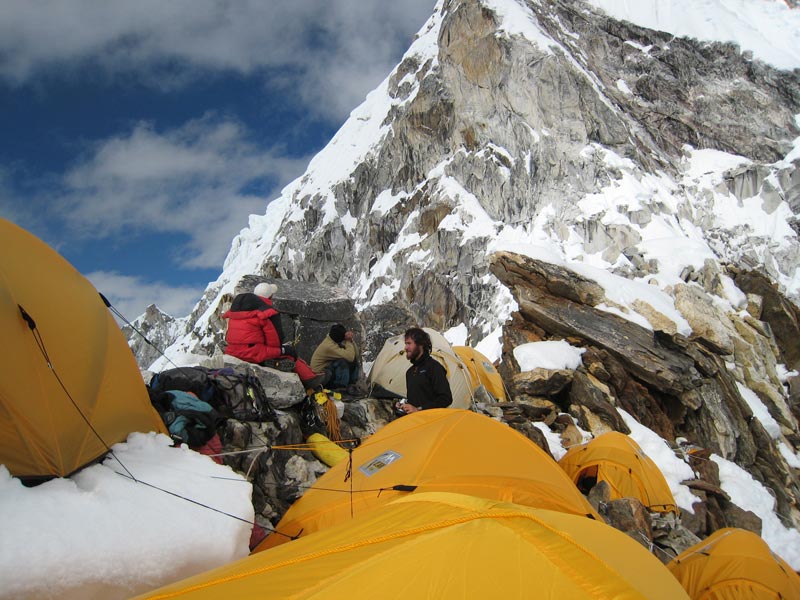
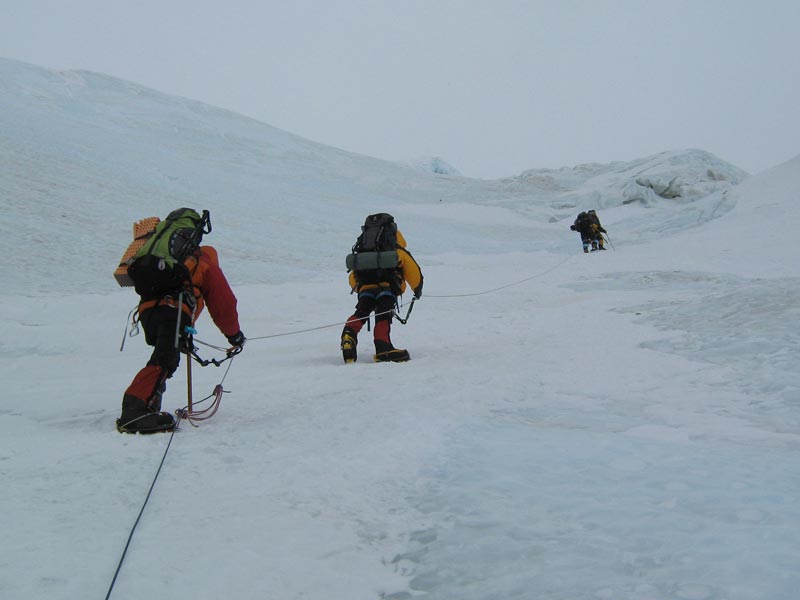
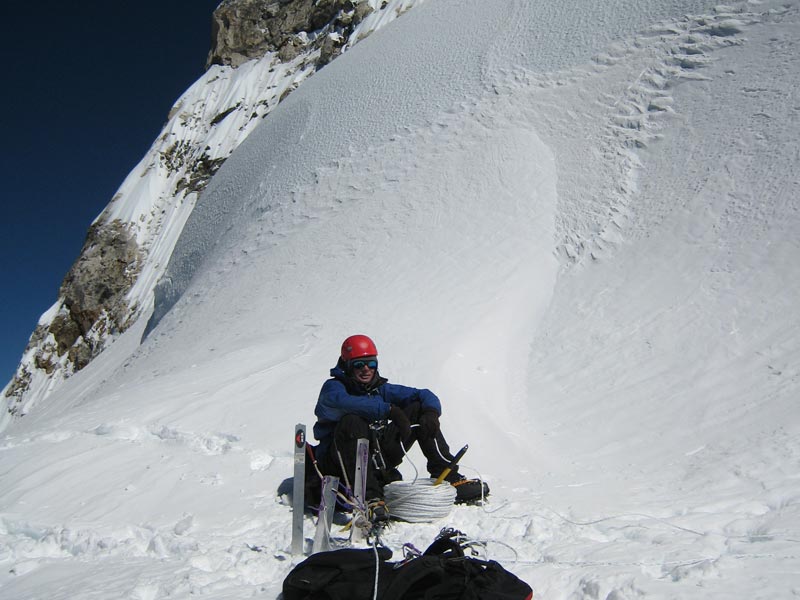
Ascending Ama Dablam Expedition Spring is normally done from the south-west ridge of the mountain. During the first phase of their mountaineering career, most mountaineers prefer to climb Ama Dablam, one of the most technical and difficult mountains in the Everest region. The route to its peak is steep and filled with ice rocks. To reach its summit, mountaineers usually have to pitch three high camps.
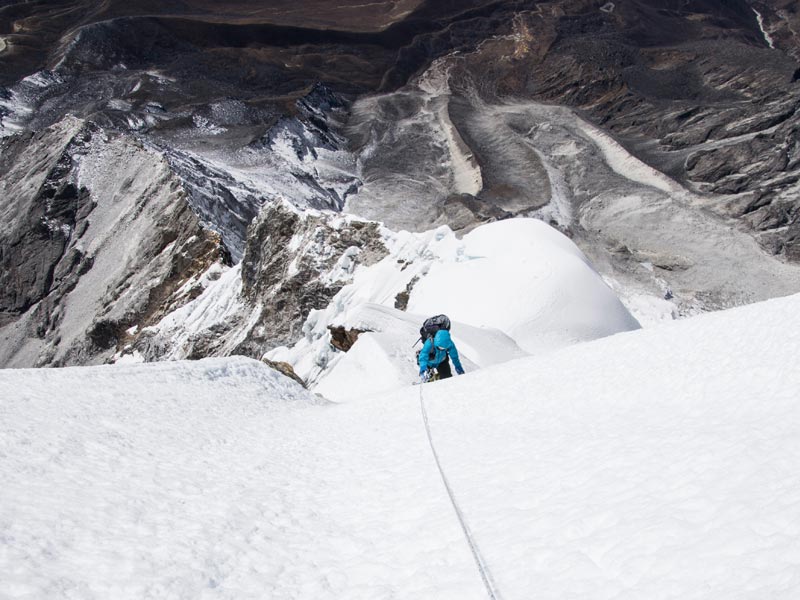
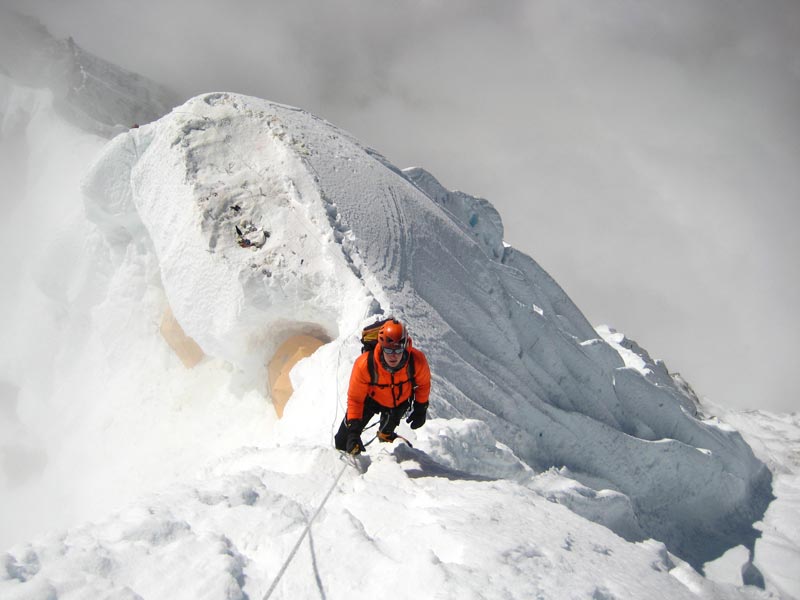
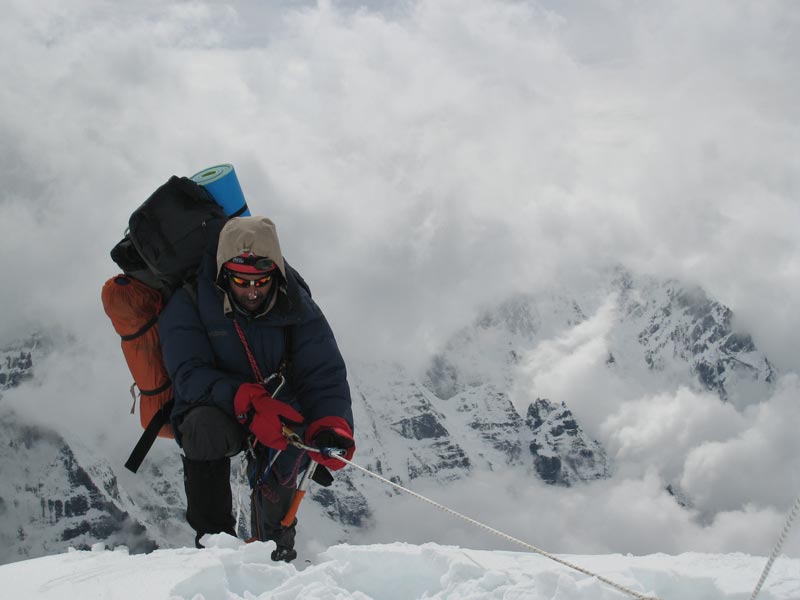
The Route to Camp I is the toughest with saddle ridges., From there, we should climb the ridge through the rocky ground and through the boulders until we reach Camp I. To reach Camp II, one must cross the rocky bowl and climb the ridge via the fixed lines. It follows steep mixed alleyways of rock, ice, and snow leading to the slope climb to snow ground, then passes through steep snow and ice tunnels to reach Camp III.
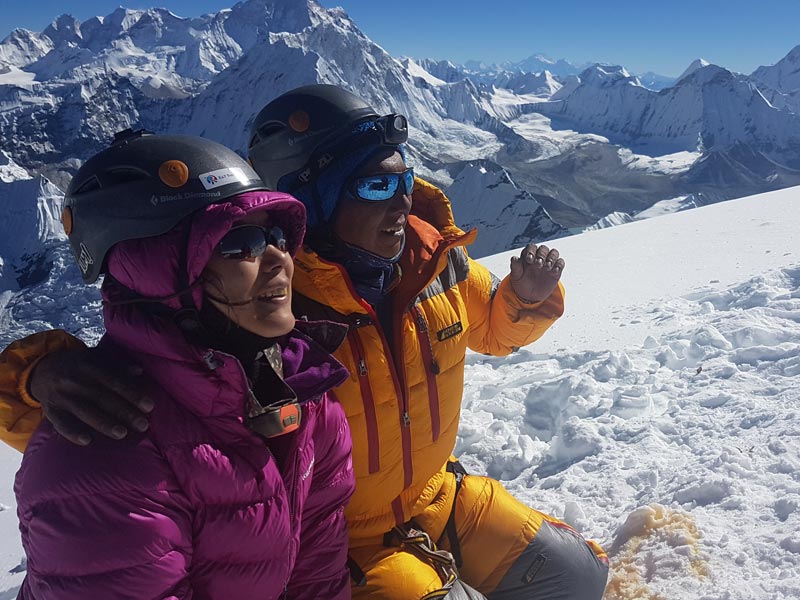
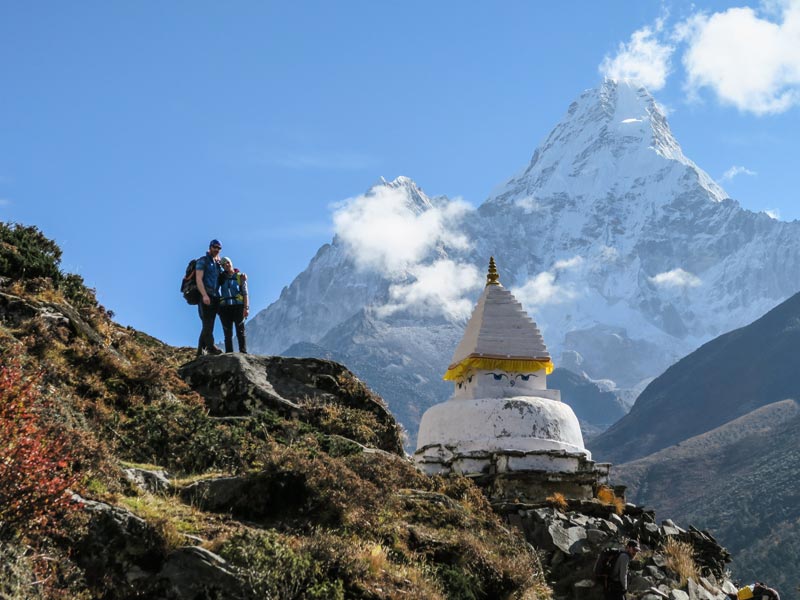
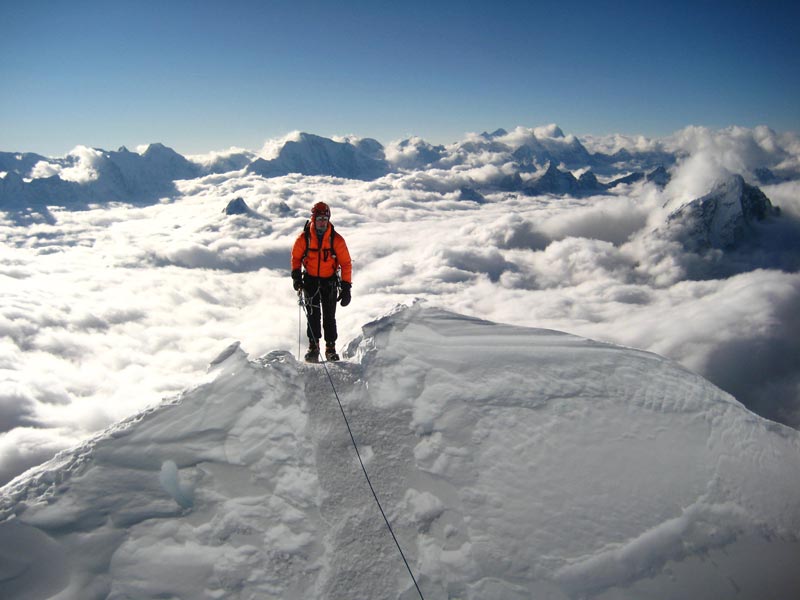
On the way to the summit, a huge hanging glacier is on the right, which makes the climb steep on snow and ice. As we climb Mount Ama Dablam, we can see amazingly charming scenery, including Mount Everest 8848m, Lhotse 8516m, Island Peak, Makalu 8463m, Khumbu Himalayan, and the rest of the snowcapped mountains in the region around us.
16 April 2027 Day 01: Arrival in Kathmandu & transfer hotel
17 April 2027 Day 02: Preparing - expedition in Kathmandu
18 April 2027 Day 03: Briefing & afternoon drive Ramechap
19 April 2027 Day 04: Fly to Lukla and trek-Phakding- lodge
20 April 2027 Day 05: Trek to Namche Bazaar 3440m.-lodge
21 April 2027 Day 06: Day hiking/acclimatization day - lodge
22 April 2027 Day 07: Trek to Thyanboche 3800m.,stay lodge
23 April 2027 Day 08: Trek Thyanboche to Dingboche lodge
24 April 2027 Day 09: Trek to Island Peak BC 4970m.-camp
25 April 2027 Day 10: Climb Island-high camp 5600m.-camp
26 April 2027 Day 11: Island 6189m summit-Chukkung- lodge
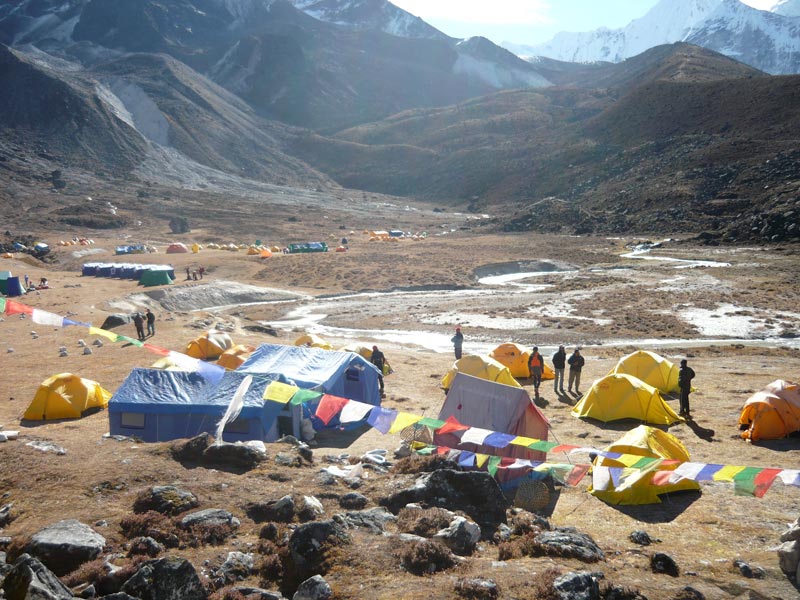
27 April 2027 Day 12: Trek to Ama Dablam BC 4600m.- camp
28 April-10 May 2027 Day 13-26: Climb Ama Dablam 6812m.
14 May 2027 Day 27: Trek BC to Namche bazaar hotel/ lodge
15 May 2027 Day 28: Trek Namche bazaar - Lukla and lodge
16 May 2027 Day 29: Fly Ramechap, drive-Kathmandu, hotel
17 May 2027 Day 30: All Transfer to airport for final departure
20 April 2027 Day 01: Arrival in Kathmandu & transfer hotel
21 April 2027 Day 02: Preparing - expedition in Kathmandu
22 April 2027 Day 03: Briefing & afternoon drive Ramechap
23 April 2027 Day 04: Fly to Lukla and trek-Phakding- lodge
24 April 2027 Day 05: Trek to Namche Bazaar 3440m.-lodge
25 April 2027 Day 06: Day hiking/acclimatization day - lodge
26 April 2027 Day 07: Trek to Thyanboche 3800m. Stay lodge
27 April 2027 Day 08: Trek to Ama Dablam BC 4600m.-camp
28 April-10 May 2027 Day 09-22: Climb Ama Dablam 6812m.
11 May 2027 Day 23: Trek BC to Namche bazaar hotel/ lodge
12 May 2027 Day 24: Trek Namche bazaar - Lukla and lodge
13 May 2027 Day 25: Fly Ramechap, drive-Kathmandu, hotel
14 May 2027 Day 26: All Transfer to airport for final departure
Exepedition Cost:(Group joining basis )
Itinerary – A = Per Person USD 5000(Island Peak + Ama Dablam)
Itinerary – B = Per Person USD 4000(Only Ama Dablam)
Per Climbing Sherpa Guide USD 1800 (If required)